What exercises are good for
back pain relief?
What exercises are good for back pain relief?
Walking, gentle mobility, stretching and gradual strengthening can be useful options for back discomfort. The answer to “what exercises are good for back pain relief” depends on your symptoms and health history. Start by checking whether you need medical advice, particularly if pain is new, worsening or follows an injury. NHS
In short. Choose movement that suits your current symptoms and capacity. Check warning signs first, avoid forcing painful movements, and get individual advice when you’re unsure what is appropriate.
This page provides general education. It cannot diagnose back pain or replace an individual medical assessment. The examples mainly concern lower back discomfort.
When should you get advice before exercising?
Back pain can have different causes. The World Health Organization’s overview of low back pain explains why assessment and care should reflect the individual person’s needs. An exercise that suits someone else’s symptoms may be unsuitable for yours.
Which symptoms need urgent attention?
Seek emergency medical care for back pain accompanied by any of the following:
- New bladder or bowel changes, including difficulty passing urine or loss of control.
- Loss of sensation around the genitals or anus.
- Pain, tingling, numbness or weakness in both legs.
- Chest pain.
- Pain following a serious accident.
Get urgent medical advice for sudden severe pain, rapidly worsening pain, or back pain with fever, shivering or feeling generally unwell.
Arrange a medical appointment if pain disrupts everyday activities, persists despite home care, worsens at night or comes with unexplained weight loss. These warning signs follow NHS back pain guidance. In Bangalore, seek care through local medical services
What exercises are good for back pain relief?
Common exercise resources include knee-to-chest stretches, pelvic tilts and bridges. These movements have different purposes, and appearing in a medical exercise guide does not make them suitable for every reader.
Mayo Clinic’s back exercise guide advises people starting because of ongoing pain or a back injury to discuss safe activities with their healthcare team
What common mistakes should you avoid?
Forcing a stretch
Trying to reach further can increase the demand beyond what you currently tolerate. Harvard Health recommends a gradual approach and notes that some movements can aggravate particular causes of pain. Ask about a smaller range if the original movement is uncomfortable. Harvard Health
Repeating a movement that keeps aggravating symptoms
Stop the provoking exercise and get advice about it. Give the professional its name or show the demonstration you followed. This is more useful than reporting that “back exercises don’t work”.
Changing several things together
If you increase repetitions, movement range and resistance together, it becomes harder to describe which change preceded a symptom flare. Ask your physiotherapist which variable to progress first.
Choosing a replacement without checking its demands
A seated exercise still involves a particular position and load. If floor access is difficult, ask for an appropriate alternative. While awaiting advice, leave out the provoking movement and follow any activity guidance you have already received.
What exercises are good for back pain relief?
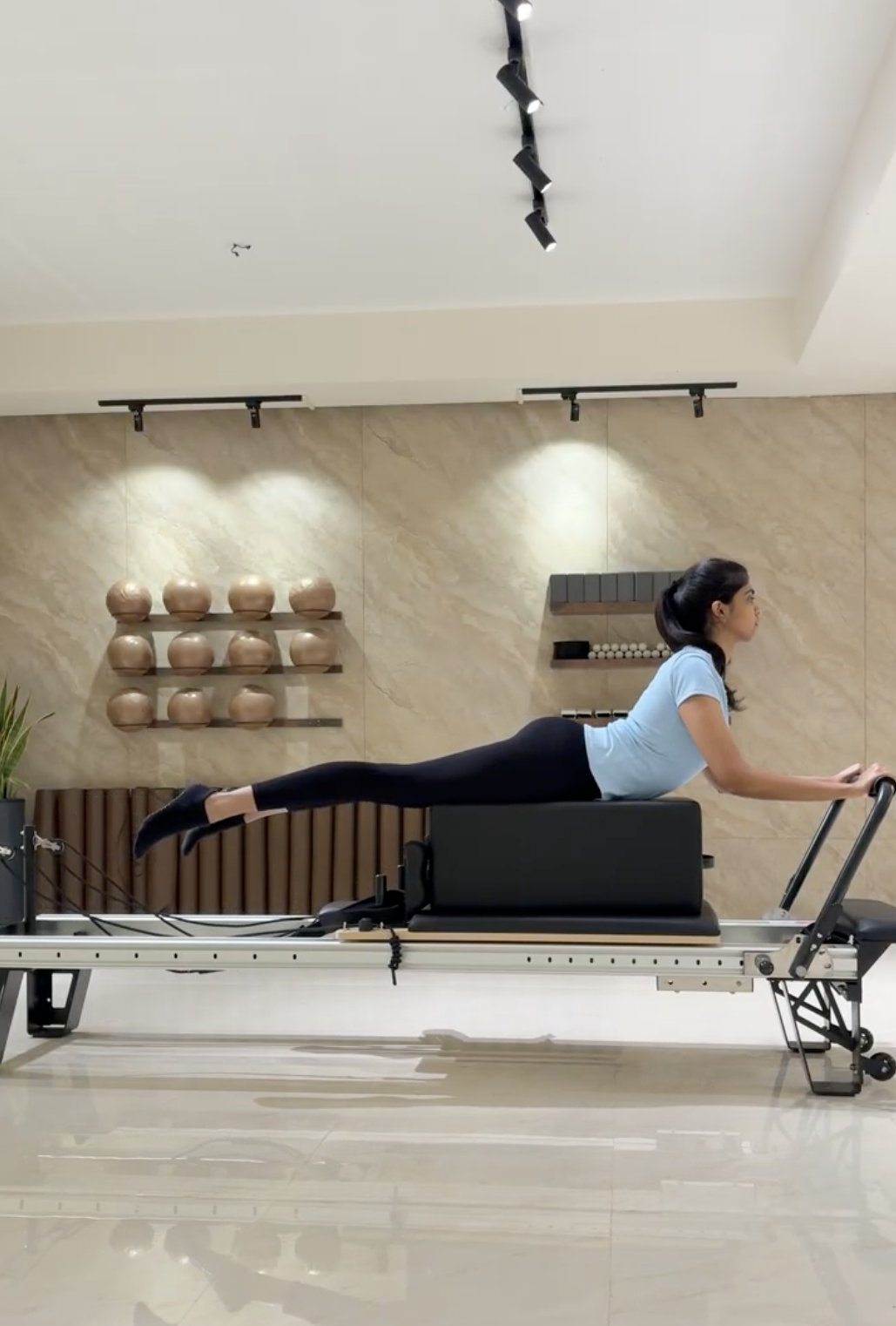
Pilates and yoga are potential forms of low impact movement to discuss with your physiotherapist or doctor when considering exercise for back discomfort. Research suggests that yoga offers average benefits for lower back pain, while the NHS notes some evidence that Pilates helps with back pain relief. Suitability depends on your symptoms and the demands of the session. www.nccih.nih.gov
A 2026 study by Sheehan and colleagues, published in the American Journal of Preventive Medicine, adds broader health context. Researchers analysed data from 55,023 US adults, linking survey responses with mortality records through 2019. Yoga and Pilates participation were associated with lower mortality during follow-up, even after statistical adjustments. They looked at 21 health practices and only 2 were lined to living longer which is Pilates and Yoga.

How should you explain limitations to an instructor?
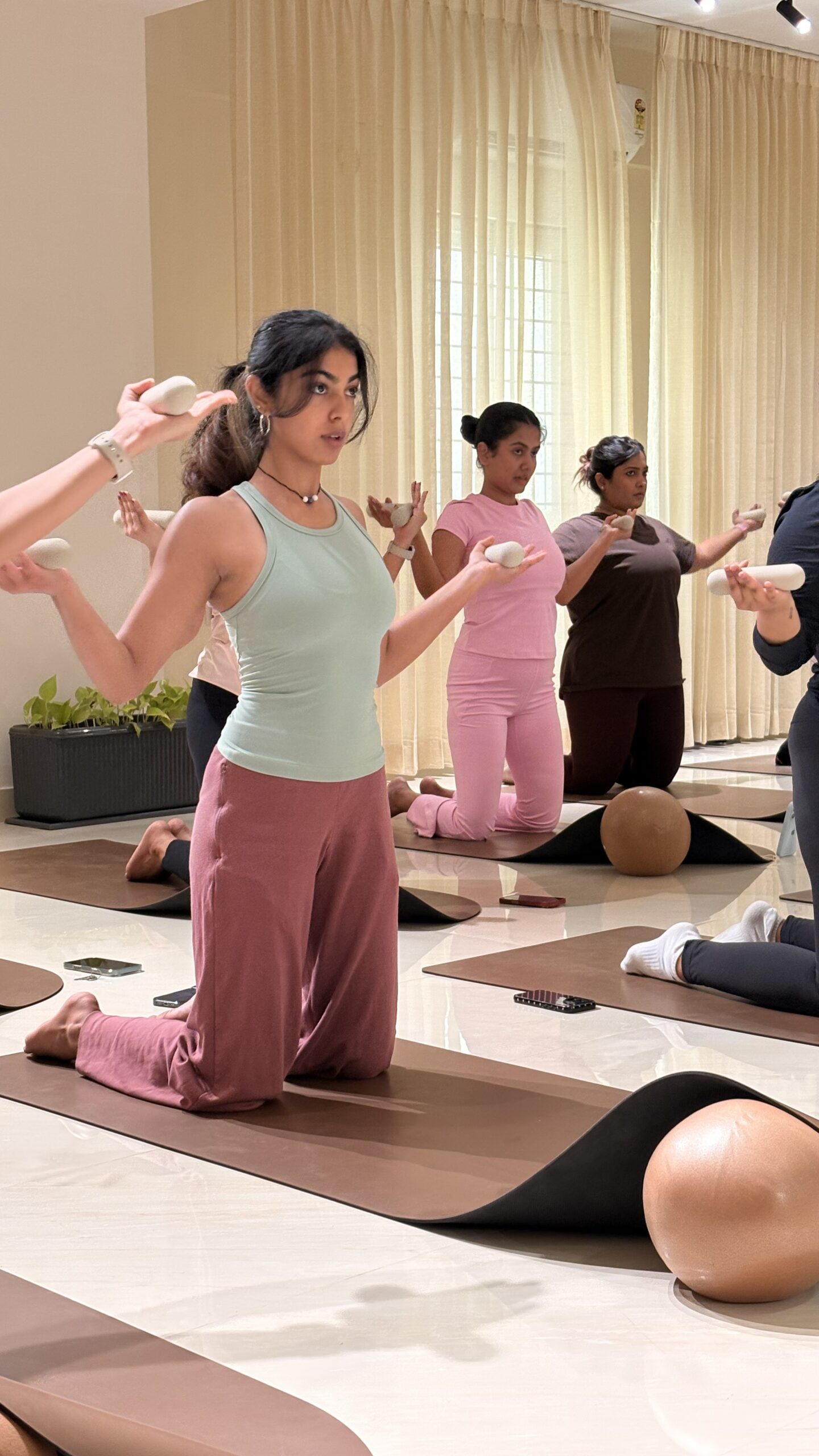
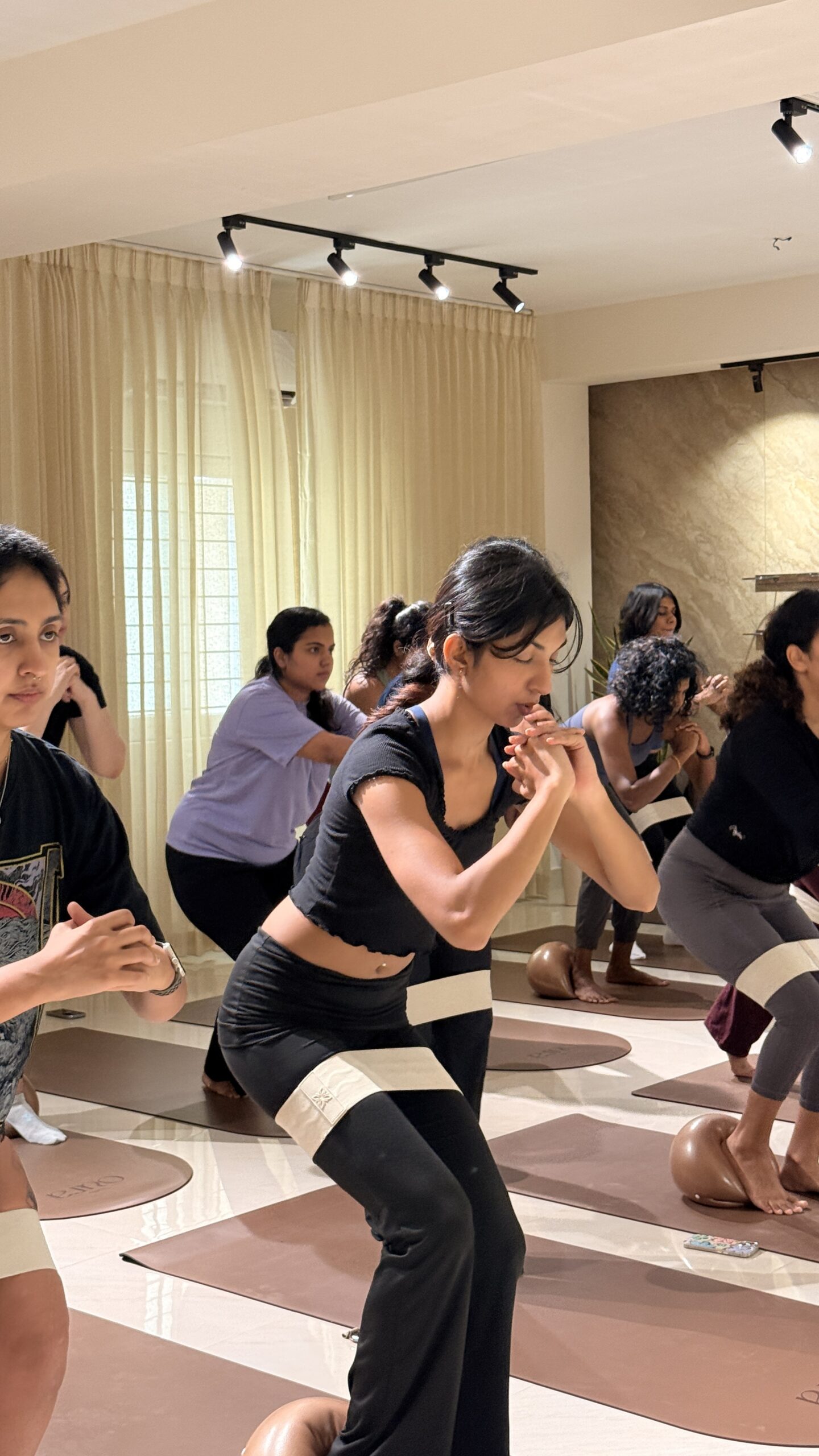
Before a Pilates or yoga class, give the instructor concrete information about what you can currently manage. Describe the location of symptoms, movements that aggravate them and any restrictions supplied by your clinician. Mention practical difficulties, such as lying flat or getting up from the floor. You can say, “My physiotherapist has asked me to avoid this movement. Can you explain whether today’s class includes it?” Ask how to request an alternative during the session and whether you can leave out an exercise. Discuss hands-on assistance in advance and state your preferences. Bring written guidance if you have it, and ask the instructor to explain anything you do not understand. If the instructor needs clinical information they cannot assess, take that question back to your healthcare professional before deciding whether to attend.
This is a communication example, not attributed instructor commentary or confirmation that a particular modification is available.
Class preparation checklist
Use these questions to assess fit. They are guidance rather than a ranking of studios.
- Which class format are you recommending, and why?
- What relevant training and experience does the instructor have?
- Does the class require comfortable floor access?
- Can I share my clinician’s instructions before booking?
- What happens if an exercise is unsuitable during class?
- Is an individual assessment or medical clearance recommended first?
- Can I decline hands-on adjustments?
Studio Oura’s mat Pilates page describes a slower beginner format alongside more demanding options. Confirm suitability and available modifications with a qualified instructor before exploring Mat Pilates classes at Studio Oura.
For related movement context, you can also explore the studio’s yoga page and ask about the specific session before booking.
Frequently asked questions
Are stretching or strengthening exercises better for back pain?
They serve different purposes and can both appear in an exercise plan. Ask a physiotherapist which approach suits your symptoms and current capacity. AAOS
Can yoga or Pilates help with back discomfort?
Some people may benefit. Exercise research does not confirm that a particular class suits your condition, so discuss participation with a healthcare professional. NCCIH
How often should I do gentle back exercises?
Follow the frequency advised for your selected exercises. Published programmes use different schedules, so there is no single dose to copy across every movement. Harvard Health
What should I do if an exercise makes back pain worse?
Stop the exercise and seek advice before repeating it. Check the warning signs above to decide whether urgent care is needed. NHS
When should back pain be assessed by a healthcare professional?
Get assessed when symptoms persist, limit everyday life or cause concern. New emergency warning signs require immediate medical attention. NHS
Choosing your next step
Start with an assessment if you are uncertain what movement suits your symptoms. If you are considering a class, contact Studio Oura about class format and instructor support and share any relevant clinical guidance before booking.
Sources
- NHS Back pain
- World Health Organization Low back pain
- Mayo Clinic Back exercises in 15 minutes a day
- Harvard Health Publishing Stretching and strengthening exercises to relieve and prevent lower back pain
- American Academy of Orthopaedic Surgeons Spine Conditioning Program
- NHS Back pain pilates video workout
- National Center for Complementary and Integrative Health Yoga Effectiveness and Safety