How often should you do Pilates? A practical guide
A reasonable starting point is two manageable Pilates session a week, with a third considered when your schedule and recovery allow. This is a practical planning suggestion. Research has studied twice-weekly Pilates, but it hasn’t established a universal ideal. Your experience, goals and the demands of each session should guide your routine.
Choose a Pilates frequency you can repeat comfortably. Consider session length and intensity alongside attendance, and allow room for recovery and other exercise. Twice-weekly Mat Pilates has been studied in healthy young women, but that evidence doesn’t establish the right schedule for every beginner. The routines below are guidance, not a ranking or an individual exercise prescription
Is Pilates once a week enough for a beginner?
Once a week can be enough to establish a regular appointment and begin learning what a class involves. Whether it meets your exercise goals depends on the session and what else you do during the week.
Treat a weekly class as a starting commitment. Avoid attaching a promised strength gain or a fixed results date to that attendance.
What does the research actually show?
A randomised controlled trial published in 2016 studied an eight-week Mat Pilates programme in healthy female university students. Participants in the Pilates group exercised for an hour twice a week, while the comparison group continued their daily activities. Forty-seven participants completed the study, with 23 in the Pilates group and 24 in the control group. The researchers reported improvements relative to the control group in hamstring flexibility and measured trunk muscle activity at six weeks, with differences in abdominal endurance and static balance at eight weeks. These findings support specific measured outcomes in that population under those study conditions. They don’t establish that twice a week is optimal, compare it with once-weekly attendance, or predict an individual reader’s progress. The study also doesn’t justify a general promise about posture correction or results from a particular studio. Read the study abstract on PubMed.
How should your goal change your pilates schedule?
- For a strength goal, ask how the exercises will provide an appropriate challenge as you become more familiar with them. Adding another class is one possible change; exercise difficulty also matters.
- For mobility, discuss the movements you want to work on. A flexibility measurement in a study doesn’t establish improvement in every joint or everyday task.
- For body awareness, you might focus on following movement cues and recognising when you need an easier variation. Keep those observations separate from claims about correcting posture.
- For general movement, choose a routine that leaves room for other activity you enjoy.
How long should a Pilates session be?
There isn’t one session length that establishes an effective routine for everyone.
The trial described above used 60-minute sessions. The NHS also provides a 45-minute beginner Pilates video. Those are examples of specific programmes, rather than minimum durations every reader needs to complete. See the NHS beginner Pilates session. NHS
When booking a class, check its actual duration and allow time for travel. For independent practice, ask your instructor which familiar exercises you can reasonably practise within the time you have.
Should Pilates be combined with yoga or other exercise?
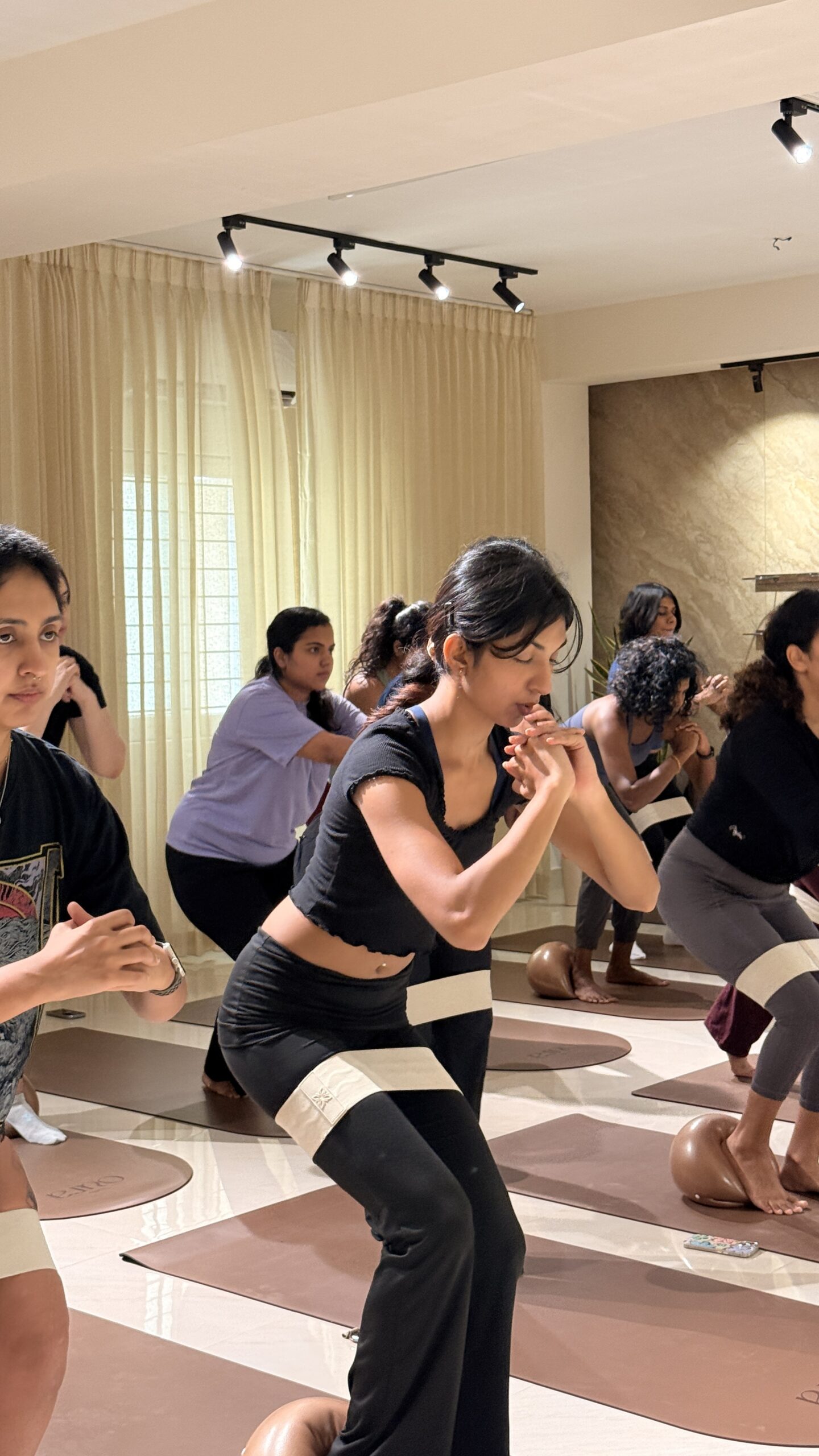
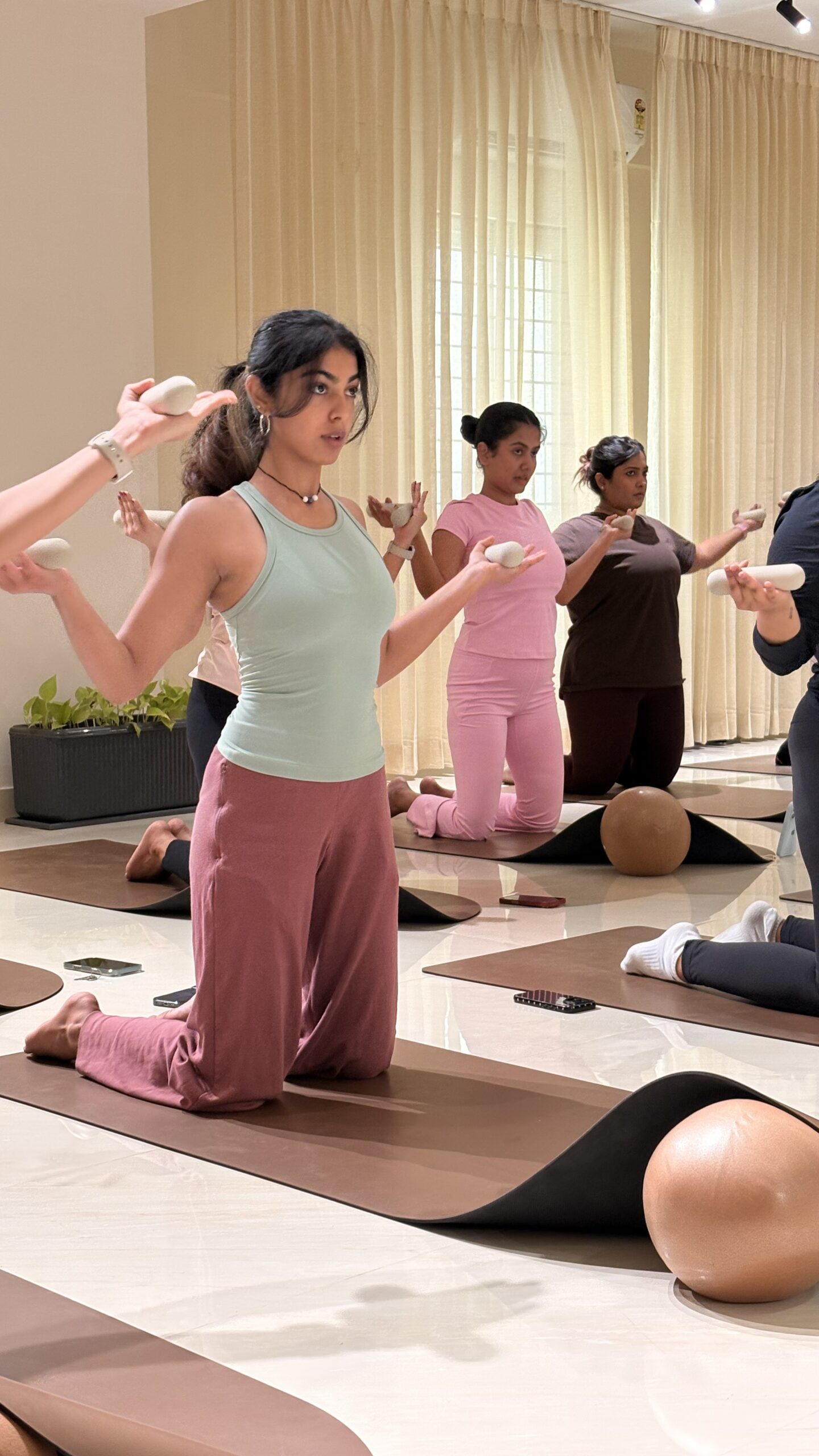
Pilates can sit alongside yoga or other exercise, provided the total demands suit you.
For adults aged 19 to 64, NHS guidance recommends muscle-strengthening activity on at least two days a week, alongside at least 150 minutes of moderate aerobic activity or 75 minutes of vigorous activity. These are general physical activity targets, rather than a requirement for two Pilates classes. NHS
Pilates and yoga appear among the NHS examples of strengthening activities. Whether a session contributes enough strengthening work depends on its demands; strengthening exercise doesn’t automatically provide aerobic activity. Read the NHS adult activity guidelines. NHS
When combining activities, account for a demanding yoga class or gym workout before adding more Pilates.
Recovery, soreness and when to adjust
Keep a schedule that you can manage alongside ordinary daily activity. If fatigue keeps carrying into the next session, discuss reducing the demands or allowing more recovery.
When is soreness normal, and when should you stop?
Delayed muscle soreness can follow unfamiliar or demanding exercise. An American College of Sports Medicine commentary describes this response particularly after high-intensity exercise involving muscle lengthening, especially when the exercise is new or infrequent. This is general exercise evidence, rather than a Pilates-specific soreness rule. Read the ACSM commentary on muscle soreness and fatigue.
How can you build a routine you can sustain?
A sustainable Pilates routine starts with a slot that fits your ordinary week, including the journey to class and the time you need afterwards. For a reader in Bangalore, that means considering the commute from home or work before choosing a morning or evening session. When the routine becomes dependable, review whether you want another session or a different level of challenge.
Choosing a Studio Oura class or membership
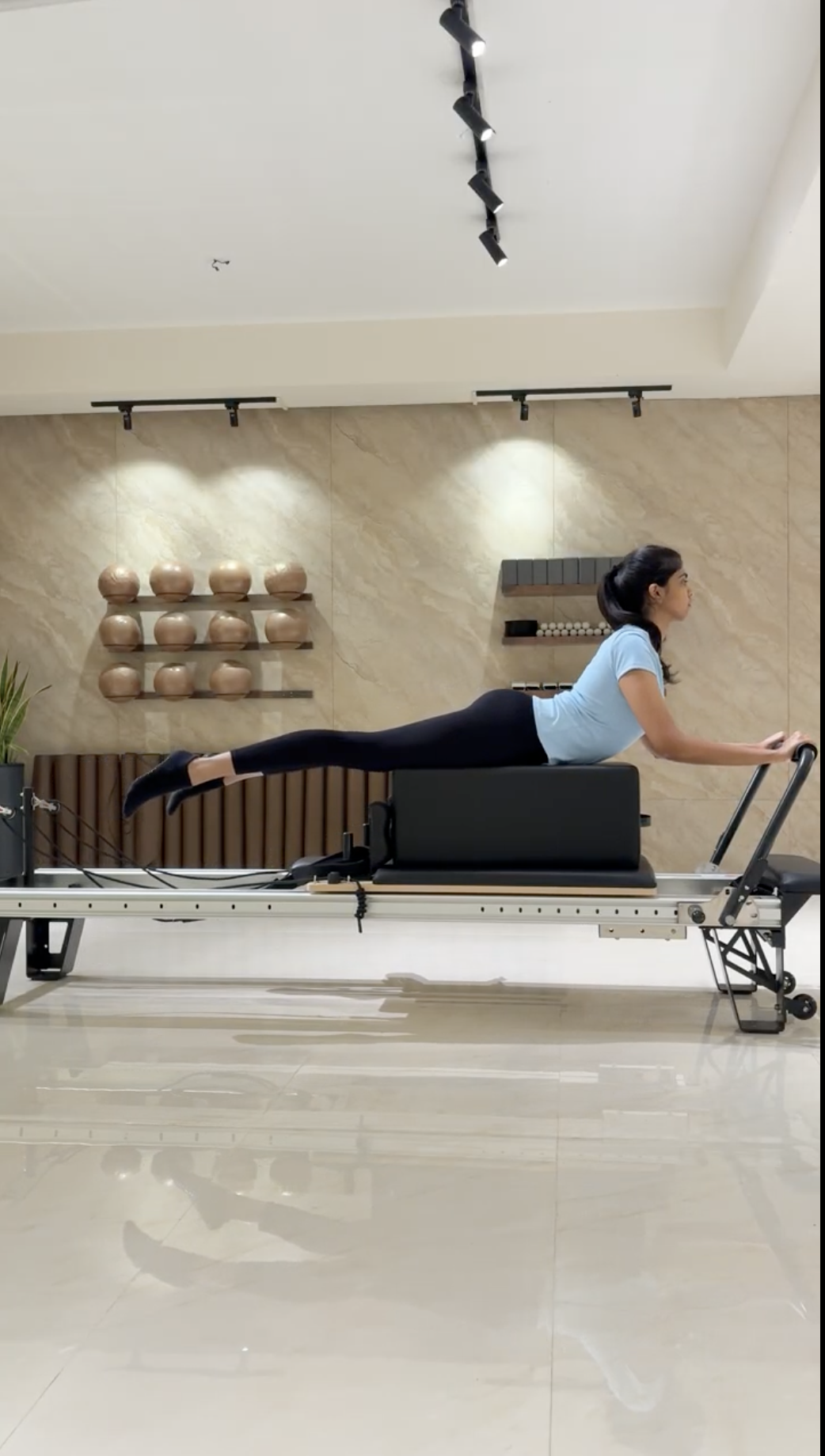
Studio Oura is an option for readers considering Pilates in Indiranagar, Bangalore. The studio offers both Mat & Reformer Pilates suitable for beginners and intermediate levels.
Is Mat Pilates suitable for someone new?
Beginner Mat Pilates can provide an introduction to the method. Suitability still depends on the class and your circumstances.
Checked in October 2026, Studio Oura’s Mat Pilates describes Soft Mat Pilates as beginner-friendly and identifies Strong Mat Pilates as intended for regular practitioners.
How should you compare membership options?
Once you’ve chosen a realistic weekly commitment, review the Pilates and yoga membership plans.
Before paying, check the following.
- Which classes the plan includes.
- How many visits you can realistically attend within its validity.
- Whether suitable class times are available.
- What happens if you need to cancel or reschedule.
- Whether any pause or extension terms apply.
Frequently asked questions
Is Pilates once a week worthwhile?
A weekly session can be a manageable way to begin regular attendance. It doesn’t establish a particular result, and your wider exercise routine still matters.
Can you do Pilates every day?
Daily Pilates isn’t necessary to start. Frequent practice needs to account for session demands and recovery, ideally with an instructor helping you plan it.
Is there a minimum Pilates session length?
The sources reviewed don’t establish a universal minimum. Choose a suitable session and check its duration before booking.
How soon might someone notice changes from Pilates?
There’s no reliable personal deadline. One trial measured certain changes over six to eight weeks in healthy female university students.
Can Pilates and yoga be part of the same week?
Yes, if their combined demands suit your capacity. Allow recovery around demanding sessions and include appropriate aerobic activity in your wider routine.
Should you restart your old schedule after a break?
Review your present capacity first. Tell your instructor about the break, and seek healthcare advice if illness, injury or medical concerns affect your return.
Does soreness mean you should attend another class?
Soreness alone can’t determine readiness. If it affects comfortable movement, discuss adjusting the next session; stop exercise that hurts or makes you unwell. Try to take rest days in between and also incorporate Infrared light therapy for recovery that helps in recovery of sore muscles.
Can a complete beginner try Mat Pilates?
A suitable beginner class can be an entry point. Studio Oura describes Soft Mat Pilates and their Reformer Pilates as beginner-friendly; individual health concerns still need appropriate advice.
Choose your next manageable session
Start with a commitment that fits your week, then review it against your recovery and goals. To discuss class level and confirm current timings, contact Studio Oura.
Sources
- NHS, How to be more active
- NHS, Physical activity guidelines for adults aged 19 to 64
- NHS, Pilates video for beginners
- PubMed, Can a pilates exercise program be effective on balance, flexibility and muscle endurance? A randomized controlled trial
- American College of Sports Medicine, Eccentric Contractions Are Responsible for Muscle Damage and Neuromuscular Fatigue